Remembrance Day at Ridley College, 2025

Remembrance Day, 2025
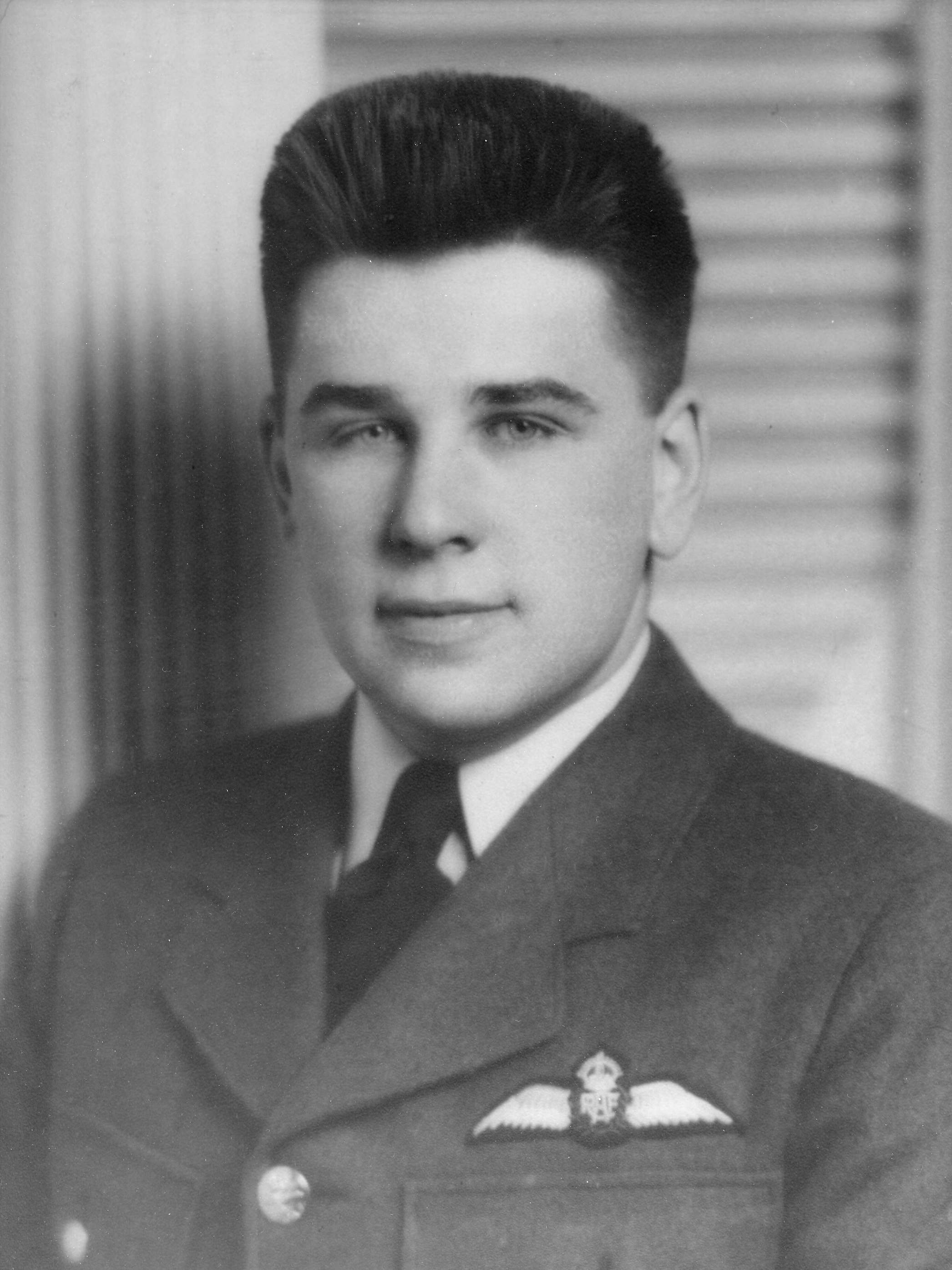
A Tribute to Donald Plaunt at Ridley College Remembrance Day Service on November 11, 2025
Donald Plaunt aka: “Buggs, Porky and Skipper”
It is an honour to return to Ridley to pay tribute to my uncle, Donald Cameron Plaunt, especially in this Memorial Chapel that was built to remember Ridleans who died in WW I.
To tell you about my uncle, I will use his three nick names: Buggs, Porky and Skipper as they represent three stages of his life.
My uncle was one of six Plaunt children from Sudbury in Northern Ontario. He was an enthusiastic and fun-loving youngster who was always pestering one of his sisters to play with him. While chasing a flying insect in his mother’s garden one day, his sister heard him say “Butter you eat me bug.” It was the last word that caught her attention, so, she, and the family started calling him “Buggs.” Even he loved the name and often signed his letters “Love, Buggs”
He came to Ridley in grade ten. Here, he was given a new nickname “Porky” due to his size and appetite, especially for Laura Secord chocolates. The headmaster described him as a “fuzzy bear” because of his massive 7-centimetre brush cut!
In the summer of 1939, he went to Europe on a Ridley trip. Porky noticed that all the countries they visited had one thing in common: they were preparing for war! They arrived home two weeks before World War II started!
In his last year at Ridley, he was a member of the Little Big Four championship football team. He was also goalie on First Team Hockey, and Second-In-Command of the Cadet Corps.
By May of 1941, he decided to take on a greater challenge: He volunteered for the Royal Canadian Air Force to go to war. One week after the Cadet Inspection he left Ridley to enlist and was selected to train as a pilot.
Eight months later, Donald was in England, where he took further training and was soon the pilot and captain of a four-engine bomber, the Lancaster.
He was a natural leader of a seven-man crew because of his personality, family upbringing and leadership experience at Ridley.
He treated his crew like family, sharing the box of chocolates that he received monthly from his family and asking his father to send cigarettes for his crew even though he didn’t smoke.
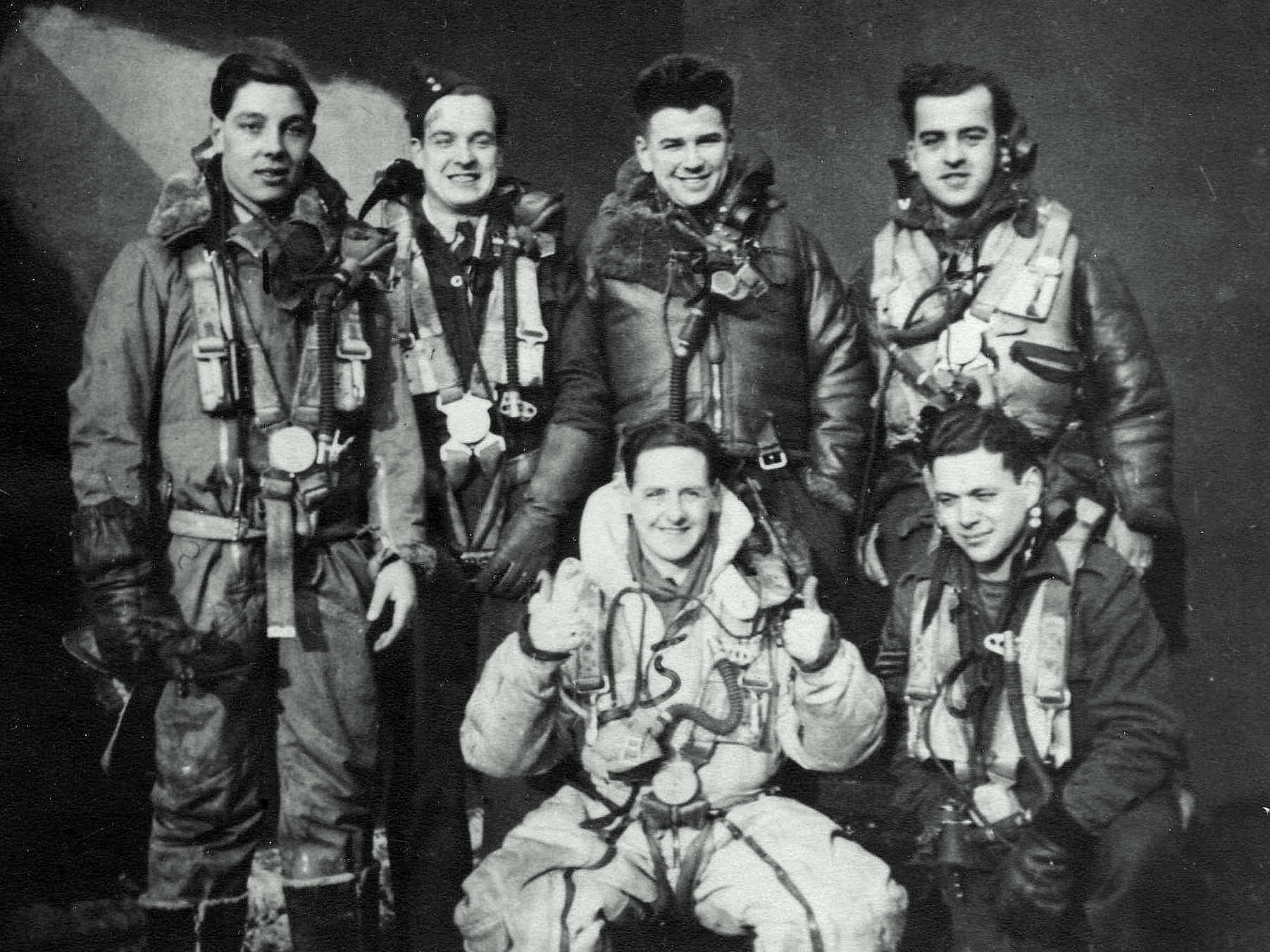
My uncle’s crew: a Lancaster bomber had a crew of seven: (back row) Joe Taylor, gunner; Trevor Williams, flight engineer; Donald Plaunt, pilot and captain; Jean-Louis Viau, bomb-aimer; in front, Jock Lochrie, rear gunner; and Ralph Franks, wireless operator. The 7th person, John Smith, the navigator, presumably took the photo.
Here’s how he described some of his crew to his parents.
“Right now, my tail gunner is batting away at the piano. He was a pipe fitter in Scotland and is lots of fun. The rest of my crew is Canadian. My wireless operator is a Jewish kid from Hamilton. He tells me, if we get shot down over Germany, we tell them his name is Paddy O’Brian so they won’t treat him too rough.
My bomb aimer is a French Canadian and he is a fine chap.
My crew is as mad as they come, so I am happy. And from that, you can see what a great melting pot this outfit is.
And, they go around calling me ‘Skipper’.
OK, did I forget to tell you who the captain was?”
Skipper’s loyalty to his Jewish crew member went further: they exchanged identification tags when flying over Germany in order to protect him in case they were captured.
When Donald learned that his tail-gunner had a daughter, he sent a telegram to his mother: “Send Christmas box for a 3-year-old girl.” She did, and she continued to send a Xmas box to his family for many years after her son’s death.
Dealing with the pressure of war was nerve-wracking. Many airmen were killed in accidents, but thousands (approx. 10,000 Cdns) were killed on bombing missions. To deal with the stress, they headed to the pubs.
But, my uncle didn’t. He had a deal with his father that he wouldn’t drink or smoke until his 21st birthday. Instead of going to the pub, he wrote to his family. I have over 150 letters that his mother kept in a special golden box (see https://bit.ly/4ozuiJ4), along with photographs and telegrams. They were a delight to read: informative, upbeat and humorous.
In every letter he wrote home, he ended with: “Write Soon and Often.” He craved letters and told his mother that he’d rather have a letter than a steak!
In some letters he imagined being at home with his family celebrating special events like Xmas and New Years. In one letter he wrote:
“Well, tomorrow night is New Year’s Eve, and I am thinking of the swell times we had at home… I am celebrating it by writing to you. But here I am, with only Ralph Frank to kiss to bring in the new year. On taking a good look at him, I’ve changed my mind, and will kiss no one.”
By February, 1943, he was flying the Lancaster over Germany with Squadron 97 of the RAF. It was on his 11th mission that he failed to return.
At a family gathering at the Plaunt home in Sudbury, there was an unexpected knock at the door. It was a young man delivering a telegram. It began with those dreadful words: “We regret to inform you that your son has been reported missing…” The news was shattering, but they kept hope that he might have survived. Sadly, his death was confirmed two months later.
Ridley learned of his death through ACTA. (Ridley school magazine: Midsummer, 1943) “Seldom has the School been so shocked and filled with a feeling of personal loss, as many of the boys at the School remember “Porky’s” familiar figure… It would be difficult to conceive of anyone who could do more for the morale of an aircrew than Donald Plaunt.”
His housemaster, J. R. Hamilton, wrote his parents: “As you well know, I was sincerely fond of Donald. There are so many things which stand out: his infectious smile, his love of hockey, and his unique sense of humour. I would like so much to have a photograph of him.”
His close friend, Syd Smith, also a bomber pilot and a survivor of a downed aircraft, wrote to his parents: “I took delight in the spontaneous pranks of Don; the charmer, the rule-breaker, the irrepressible teenager living life to the fullest, plunging into deep-water where ever he went.”
His father was devastated: “It took the heart out of him” Donald’s brother told me. But he made sure his son’s sacrifice would not be forgotten. He contributed to the building of the Great Hall at Ridley. Donald’s name is: one of the eighty-one listed on the Memorial Arch who died in WW II, on a plaque in the Ridley Chapel and on many memorials in Sudbury, his home town. His brother contributed a memorial trophy in his name to the Northern Ontario Football League.
His mother was more accepting of his death. She wrote to tell her own mother:
“Don’t feel too badly. He lived a full and happy life and perhaps accomplished more in his almost 21 years of living than some people do in a lifetime. If he and other lads were not ready to go and die, where would we all be? He chose to do this, and he did it in his own way.”
But she never forgot him. If you were ever near her, you would notice the scent of Devon Violets, a perfume her beloved son had sent her.

To view a photo album of Donald’s life, click on the following link- https://bit.ly/4qMm7ur – and then once album opens, click on the first photo for an explanation of each slide.
CBC Report on Write Soon and Often https://bit.ly/4ozuiJ4